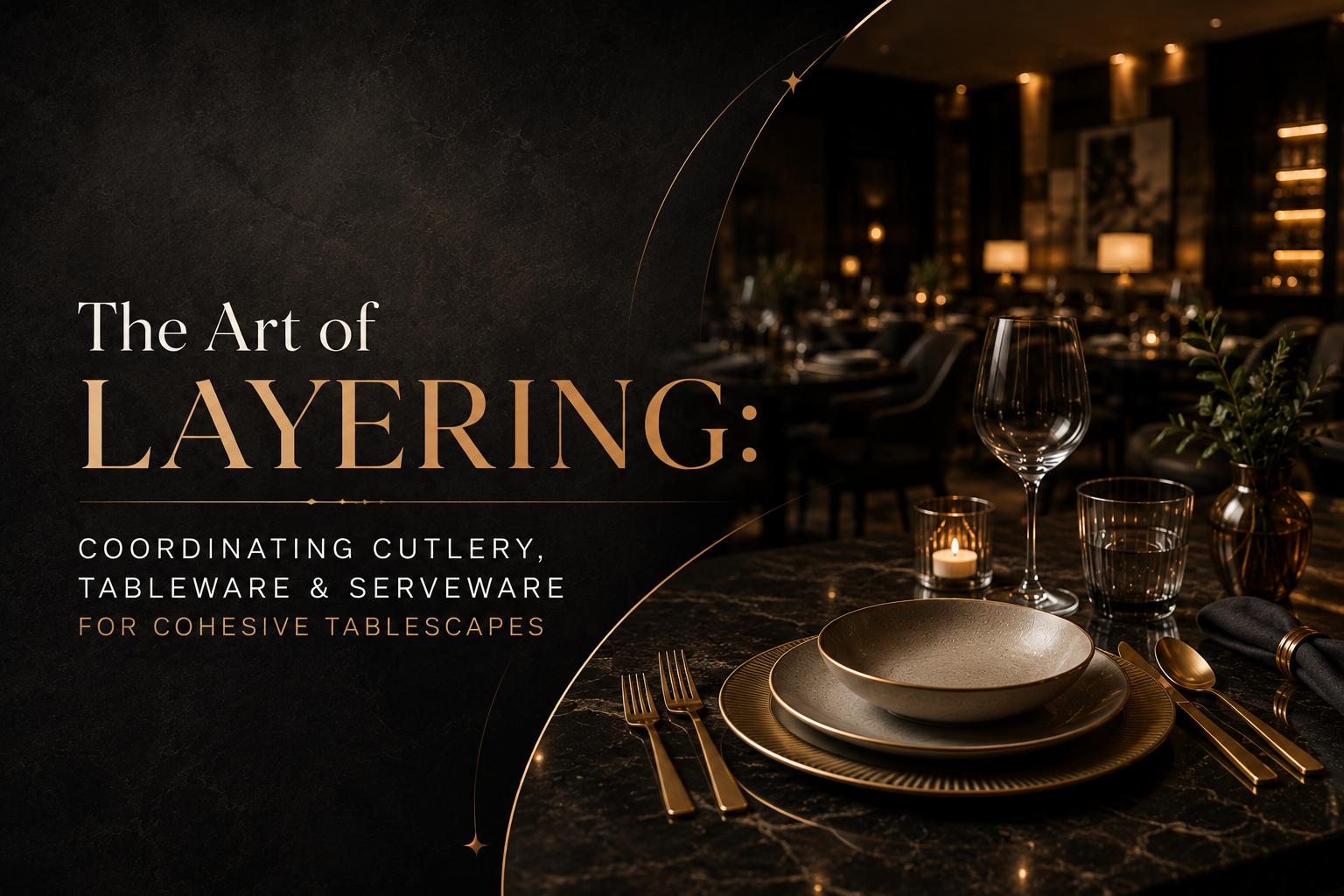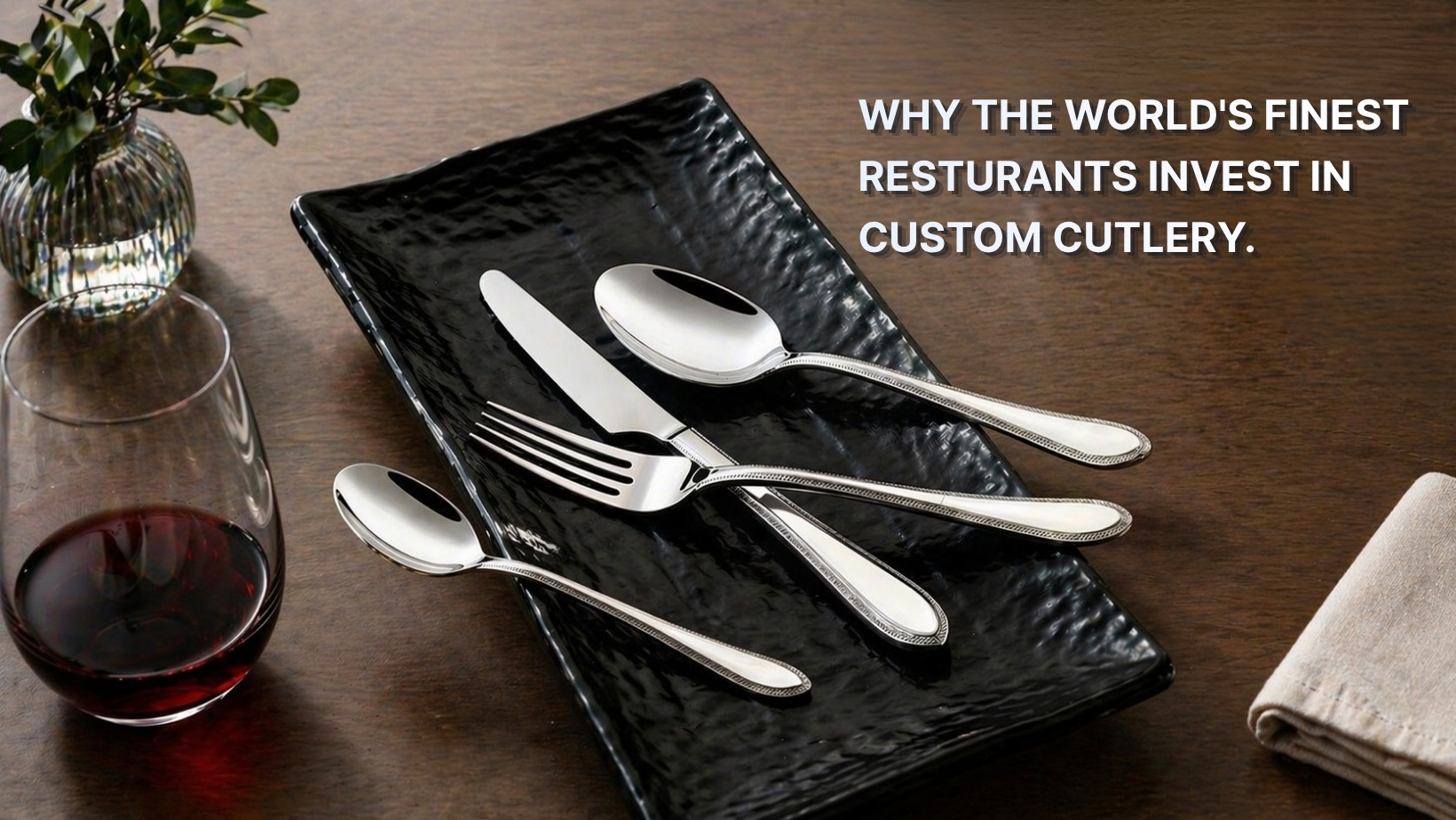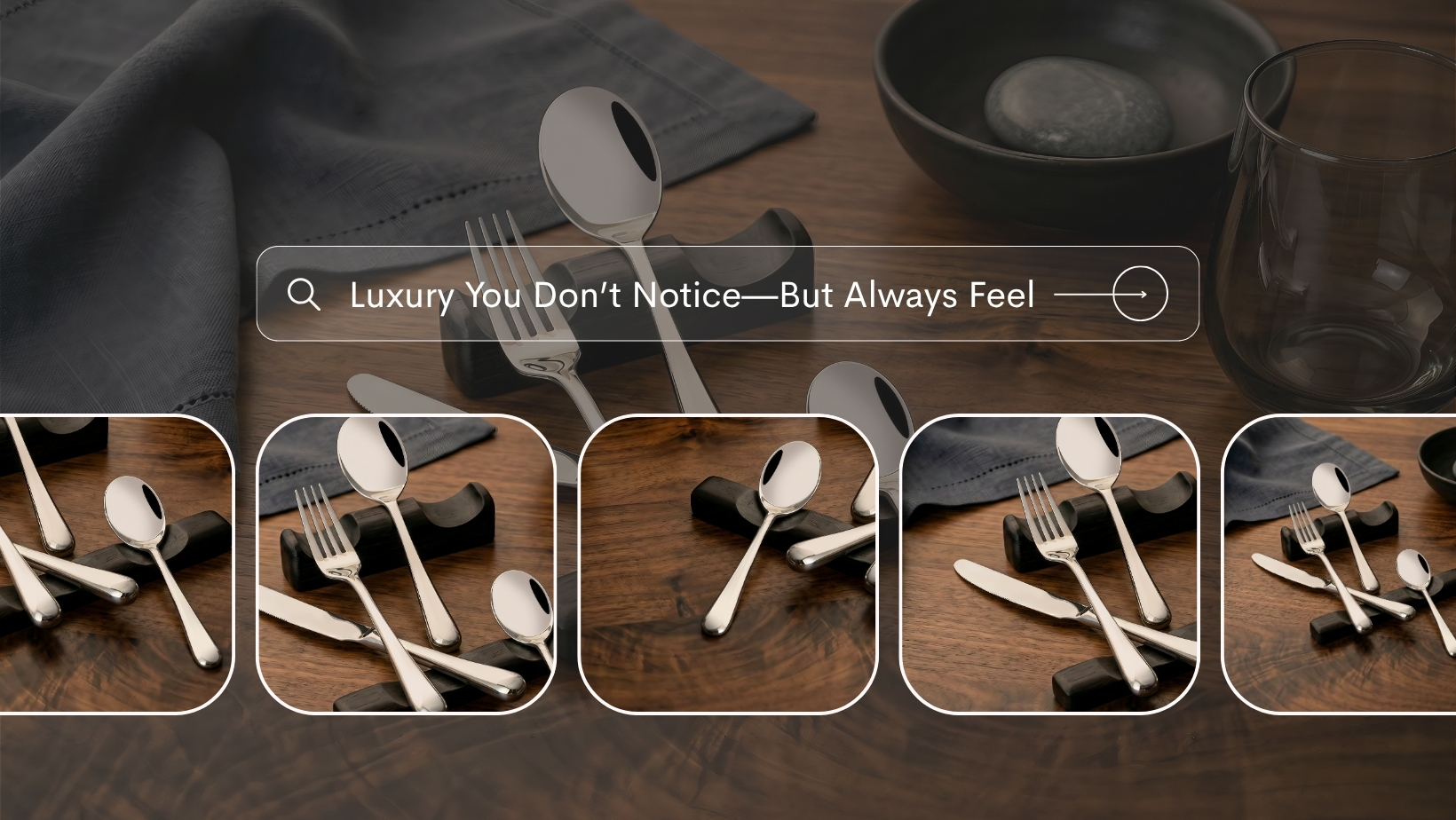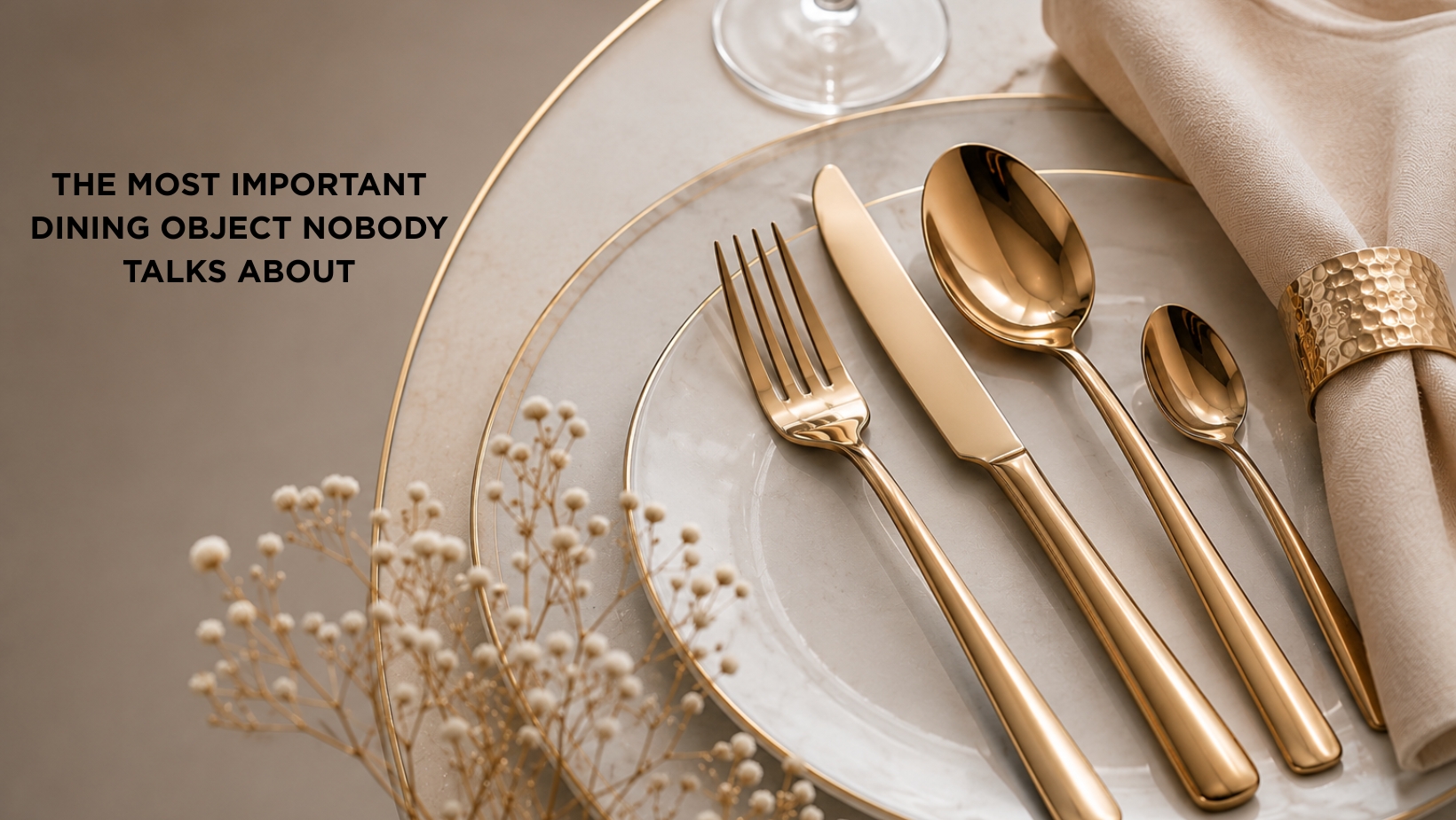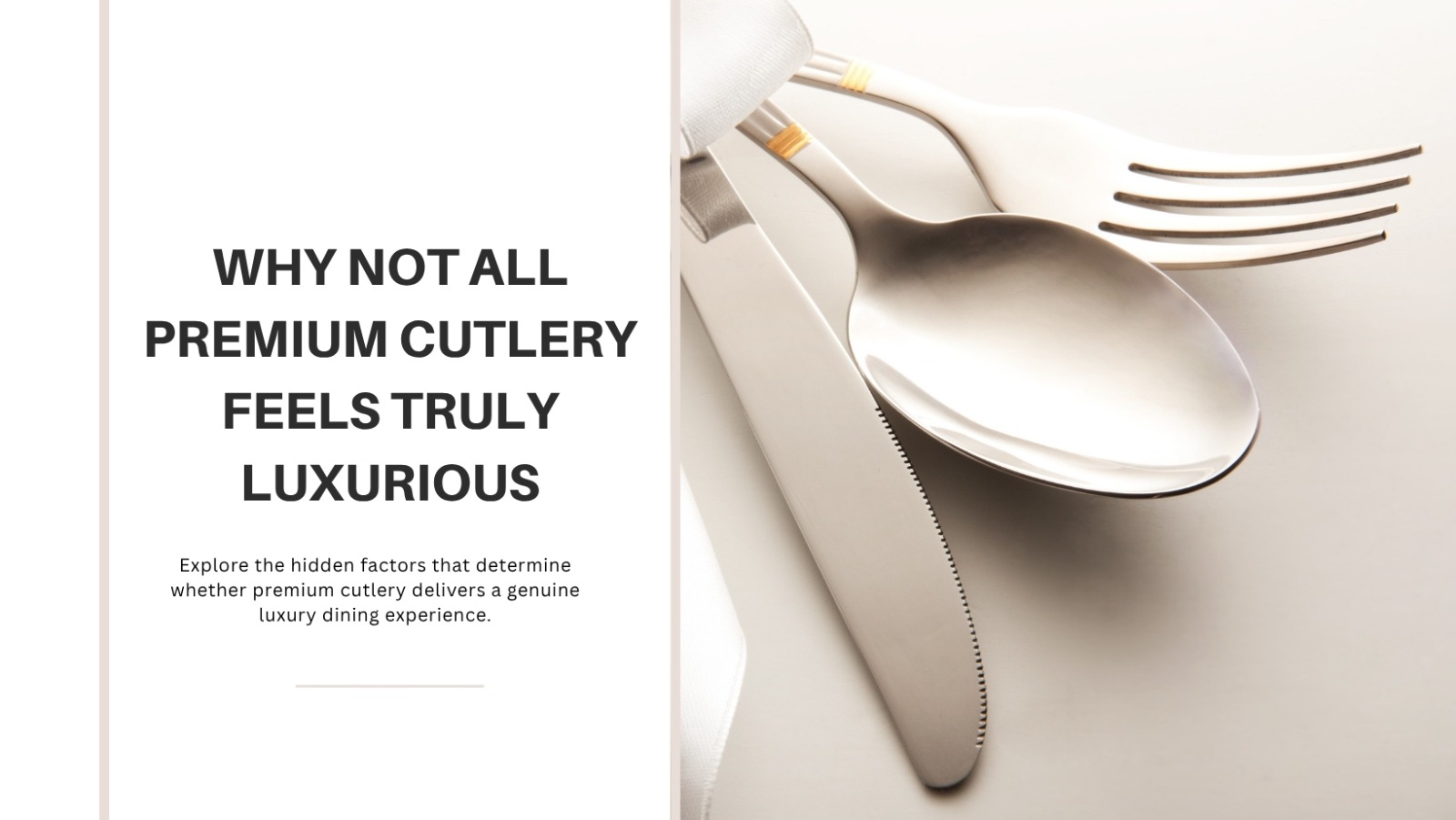
Why great dining experiences aren’t built one product at a time—they’re composed like works of art.
The most memorable dining experiences are rarely defined by a single element. Guests may praise the food, admire the ambience, or remember the warmth of the service, but what often goes unnoticed is the quiet harmony that ties everything together.
A thoughtfully curated tablescape has the ability to influence perception long before the first course arrives. It sets expectations, communicates the personality of the establishment, and creates an emotional connection with the guest. Whether it’s an intimate chef’s table, a luxury hotel banquet, or a contemporary café, the table serves as the first stage where the dining story begins.
This is where the art of layering comes into play.
Layering is not about adding more elements to the table; it’s about bringing together cutlery, tableware, serveware, glassware, linens, and décor in a way that feels intentional, balanced, and visually effortless. Every piece has a role to play, and when these elements are coordinated with purpose, they transform an ordinary meal into an immersive dining experience.
The Table Is an Extension of Your Brand
In hospitality, the table is far more than a functional surface. It is one of the most powerful expressions of a brand’s identity.
Before a guest samples the cuisine or interacts with the service team, they begin forming impressions based on what they see. The choice of crockery, the weight of the cutlery, the finish of the serveware, and even the spacing between each element collectively communicate a message about the establishment.
A luxury hotel may aim to convey timeless elegance through polished stainless steel, fine porcelain, and crystal glassware. A modern bistro might favour handcrafted ceramics, brushed finishes, and natural textures that create a relaxed yet sophisticated atmosphere. A premium catering company, on the other hand, may seek versatility—tablescapes that can adapt effortlessly from corporate events to lavish weddings while maintaining a sense of refinement.
In every case, the table becomes a visual ambassador of the brand.
Harmony Doesn’t Mean Everything Has to Match
One of the most common misconceptions in tabletop styling is that every element should match perfectly. In reality, the most elegant tables are built on harmony rather than uniformity.
Designers often combine polished cutlery with matte stoneware, pair textured ceramics with sleek stainless steel, or introduce warm wooden serving boards alongside contemporary metallic finishes. These subtle contrasts add depth, character, and visual interest without creating clutter.
The objective is not to make every component identical, but to ensure that each piece complements the others.
Much like architecture or interior design, the beauty lies in the dialogue between materials, finishes, and forms.
Understanding Visual Hierarchy
One of the principles borrowed from design is visual hierarchy—guiding the eye naturally across a composition.
On a dining table, this hierarchy is created through scale, proportion, texture, and placement.
The dinner plate often acts as the focal point, anchoring the arrangement. Cutlery frames the setting with clean lines, while serveware introduces volume and presence. Glassware adds height and transparency, and linens soften the composition with texture.
When each element is thoughtfully positioned, the table feels balanced rather than crowded. Guests may not consciously analyse these details, but they instinctively perceive the difference.
The best tablescapes appear effortless because every object knows its place.
Materials That Speak to Each Other
One of the defining characteristics of contemporary hospitality design is the thoughtful combination of materials.
Rather than relying on a single finish or texture, designers increasingly create visual interest by layering complementary surfaces.
Polished stainless steel introduces clarity and elegance.
Stoneware brings warmth and authenticity.
Glass adds lightness.
Wood contributes natural texture.
Linen softens the overall composition.
Together, these materials create a sensory experience that extends beyond the food itself.
The goal isn’t simply to decorate the table—it’s to create an environment where every material enhances the others.
Colour as a Supporting Element
While food remains the hero of every dining experience, colour plays an essential supporting role.
Neutral tableware allows vibrant dishes to take centre stage, making it a popular choice in fine dining. Earthy tones create warmth and comfort, while monochromatic palettes communicate understated luxury.
Even metallic finishes influence perception. Mirror-polished cutlery reflects light and creates a sense of occasion, satin finishes introduce quiet sophistication, while darker finishes lend a bold, contemporary character.
When colour and finish are selected with intention, they elevate the presentation without competing with the cuisine.
Designing for Different Hospitality Environments
No two dining environments are alike, which is why effective layering always begins with context.
A luxury hotel banquet requires elegance that can be replicated across hundreds of tables while maintaining consistency. Fine-dining restaurants often focus on precision and restraint, allowing each course to take centre stage. Contemporary cafés may favour casual layering with artisanal textures, while wedding caterers often create dramatic tablescapes designed to leave a lasting visual impression.
The principles remain the same, but their application changes according to the experience being created.
This flexibility is what makes layering both an art and a strategy.
Beautiful Tables Must Also Perform
While aesthetics are essential, hospitality professionals know that a successful tablescape must also support efficient service.
Cutlery should feel comfortable throughout a multi-course meal. Serveware should move seamlessly between kitchen and dining area. Tableware should withstand frequent washing while maintaining its finish and appearance.
The finest tabletop collections strike a careful balance between beauty and practicality.
After all, true luxury is not only seen—it is experienced through effortless functionality.
The Future of Tablescape Design
As hospitality evolves, tablescapes are becoming increasingly curated rather than standardised.
Hotels are developing signature tabletop identities that reflect their brand philosophy. Restaurants are selecting tableware that complements their culinary narratives. Caterers are investing in coordinated collections that can adapt to diverse event styles without losing their visual coherence.
Guests, too, have become more discerning. Inspired by travel, social media, and design-led experiences, they increasingly notice the details that contribute to an exceptional meal.
The table has become more than a place to dine.
It has become part of the story.
The Shapes Perspective
At Shapes, we believe every memorable dining experience begins long before the first course is served.
It’s shaped by the harmony between materials, finishes, proportions, and craftsmanship. When cutlery, tableware, and serveware are designed to complement one another, they create more than a beautiful table—they create an atmosphere that reflects the values of the establishment and enhances every guest interaction.
Because exceptional tablescapes aren’t created by assembling individual products.
They are crafted through thoughtful coordination, where every detail works together to transform dining into an experience worth remembering.